


Your Nervous System Needs Safety: An Overlooked Key to Burnout Recovery


When people talk about burnout, the conversation often centres on workload, time management, or resilience.
While these factors matter, there is another important piece of the puzzle that is often overlooked:
The nervous system.
Understanding how the nervous system responds to chronic stress can help explain why so many people feel exhausted, overwhelmed, anxious, and unable to switch off.
More importantly, it can help us understand what recovery really requires.
Chronic Stress Changes the Way We Experience the World
Our nervous system is designed to help us respond to challenge and danger.
When we face a stressful situation, our body activates a stress response intended to help us cope.
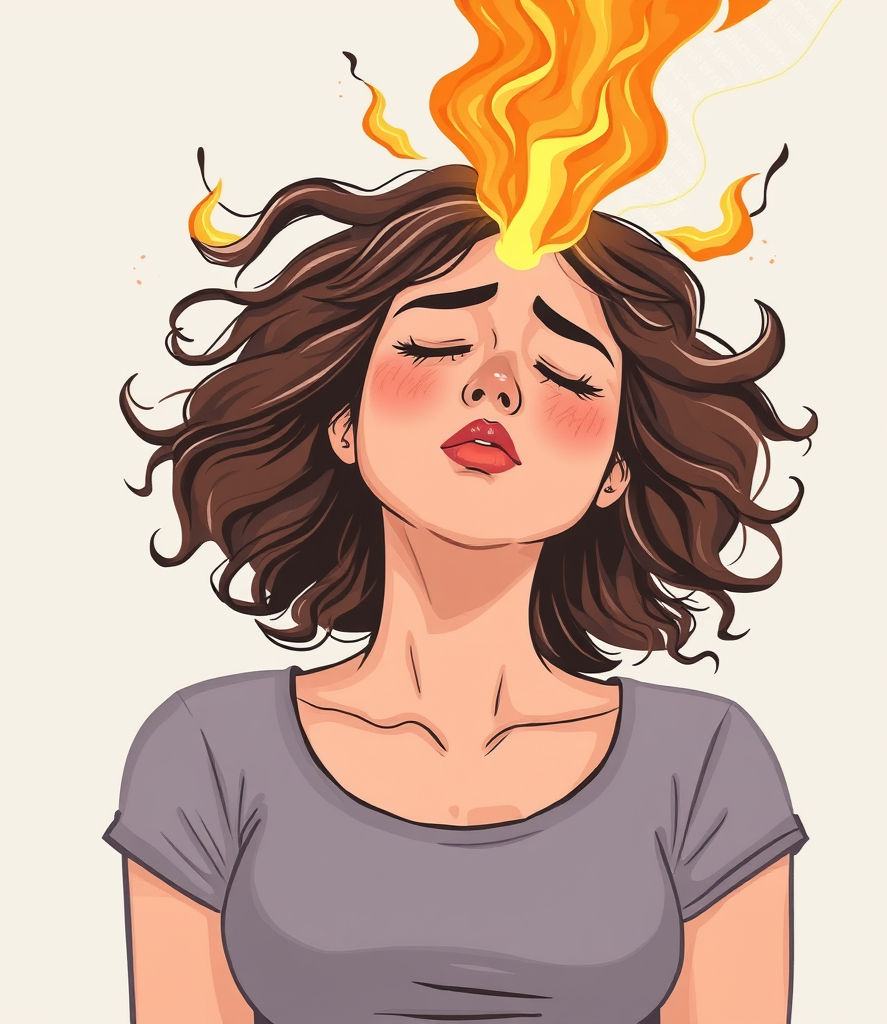
The problem arises when stress becomes constant.
Deadlines, caregiving responsibilities, workplace pressures, financial concerns, relationship challenges, and health worries can create a state of ongoing activation.
Instead of moving between periods of effort and recovery, many people remain stuck in a cycle of continuous alertness.
Over time, this can contribute to burnout.
Why Connection Matters
As Loneliness Awareness Week highlights, human beings are fundamentally wired for connection.
Supportive relationships provide more than emotional comfort.
They help the nervous system recognise that we are safe.
When people feel isolated, unsupported, or disconnected, stress often feels harder to manage.
Connection acts as a protective factor against burnout.
Sometimes the most powerful question we can ask is:
"Who helps me feel understood?"
Boundaries Create Safety
Many women struggle with boundaries because they fear disappointing others.
However, boundaries are not barriers.
They are essential tools for wellbeing.
Healthy boundaries protect our time, energy, and emotional resources.
Without them, demands continue to expand while recovery opportunities shrink.
The Problem with Rest Guilt
One of the most common challenges I see is guilt around rest.
Many women feel uncomfortable slowing down.
They believe they should be productive, useful, or available at all times.
Yet recovery is not a reward.
It is a biological requirement.
Without sufficient rest, the nervous system remains activated and recovery becomes more difficult.
Regulation Before Optimisation
Many wellbeing strategies focus on performance.
However, when the nervous system is overwhelmed, regulation often needs to come first.
Simple practices such as breathing exercises, mindfulness, movement, nature, connection, and quality sleep can all help create a greater sense of safety.
These practices are not indulgences.
They are investments in wellbeing.
The Importance of Self-Compassion
Perhaps one of the most powerful tools for recovery is self-compassion.
Many people experiencing burnout become highly self-critical.
They judge themselves for struggling.
They compare themselves to others.
They push themselves harder.
Unfortunately, self-criticism often adds to the stress burden.
Self-compassion helps create the emotional safety required for recovery.
It allows us to acknowledge our challenges without adding unnecessary judgement.
Recovery Begins with Safety
Burnout recovery is not simply about reducing workload.
It is about helping the mind and body recognise that it is safe to recover.
Connection.
Boundaries.
Rest.
Regulation.
Self-compassion.
These are not signs of weakness.
They are essential ingredients for wellbeing.
When we begin to create more safety in our lives, we give our nervous system the opportunity to do what it was designed to do:
Recover, restore, and thrive.


Comments