


Why Women Burn Out: Understanding the Hidden Pressures Behind Chronic Stress

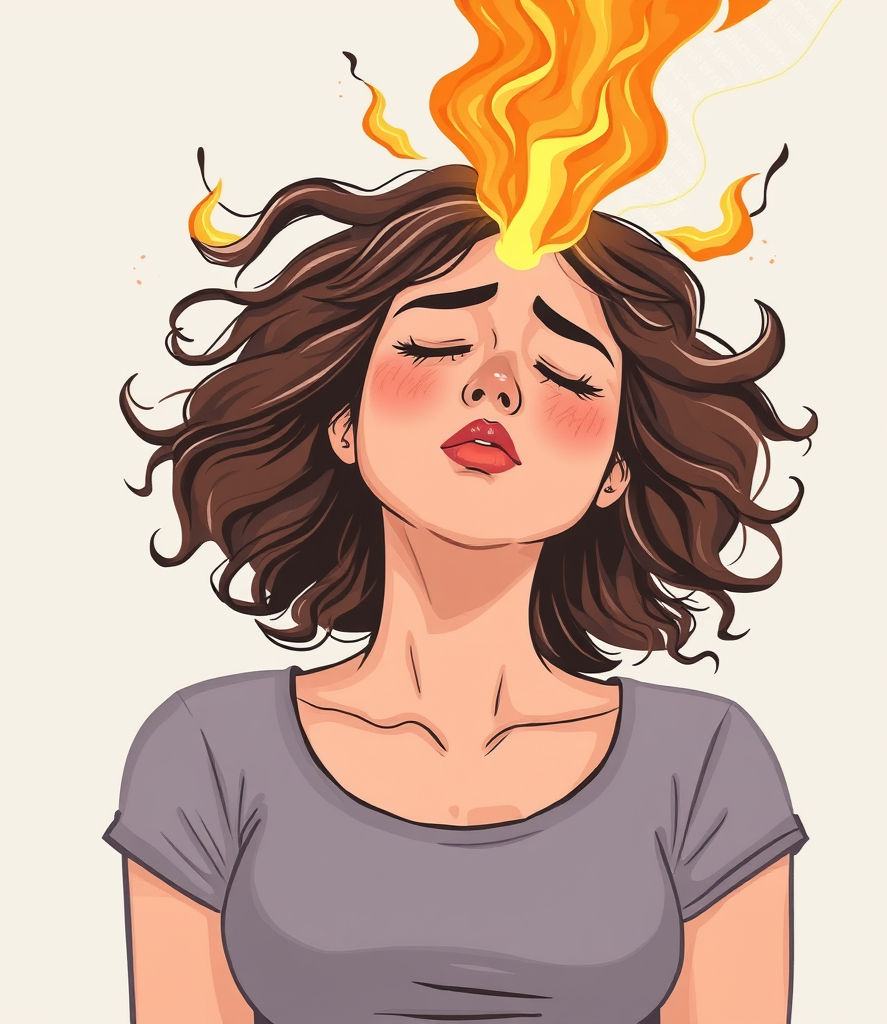
Burnout has become an increasingly common topic in workplace wellbeing discussions.
Yet many conversations focus on the symptoms rather than the causes.
If we want to prevent burnout, we need to understand why so many women find themselves exhausted, overwhelmed, and struggling to cope despite appearing successful and capable.
Burnout rarely develops because of a single stressful event.
More often, it is the result of multiple pressures accumulating over time.
The Burden of People Pleasing
Many women are raised to be helpful, accommodating, and considerate of others.
These qualities can be valuable, but they can also become problematic when they lead to consistently prioritising other people's needs above their own.
Women who struggle with people pleasing often:
Find it difficult to say no
Take on additional responsibilities
Avoid disappointing others
Feel guilty when setting boundaries
Over time, constantly putting others first can contribute significantly to emotional exhaustion.
The Reality of Caregiving
Many women are part of what is often called the "sandwich generation."
They may be supporting children while also caring for ageing parents.
Others provide emotional support to partners, colleagues, friends, and wider family members.
While caregiving can be meaningful and rewarding, it also requires significant emotional, physical, and mental energy.
The cumulative impact of these responsibilities is frequently underestimated.
Workplace Pressures Continue to Rise
Alongside responsibilities outside work, many women face increasing pressure within the workplace.
Heavy workloads, constant connectivity, tight deadlines, organisational change, and performance expectations can all contribute to chronic stress.
For many employees, recovery time has become increasingly limited.
When pressure becomes constant, burnout becomes more likely.
The Perfectionism Trap
Perfectionism is often celebrated in professional environments.
However, beneath perfectionism is frequently a fear of making mistakes, criticism, or not being good enough.
Perfectionists often:
Set unrealistically high standards
Struggle to delegate
Find it difficult to switch off
Feel their efforts are never quite enough
The result is often relentless self-imposed pressure.
Hormones, Stress, and Cortisol
For women in midlife, hormonal changes can add another layer of complexity.
Perimenopause and menopause can affect sleep, mood, concentration, and energy levels.
At the same time, chronic stress increases cortisol production, which can further disrupt sleep, emotional regulation, and overall wellbeing.
This interaction between hormones and stress can leave women feeling overwhelmed, exhausted, and frustrated.
Burnout Is Not a Personal Failure
One of the most damaging misconceptions about burnout is the belief that it reflects a lack of resilience.
In reality, many women experiencing burnout are highly resilient.
They are often the people who have been coping, supporting, achieving, and carrying responsibility for years.
Burnout is not evidence of weakness.
It is often evidence that the demands being placed upon someone have exceeded the opportunities available for recovery.
Moving Forward
Preventing burnout requires more than encouraging individuals to practise self-care.
It also requires honest conversations about workload, boundaries, expectations, support, recovery, and wellbeing.
When women understand the factors contributing to burnout, they are better positioned to make changes that protect their health and wellbeing.
Awareness is not the final step.
But it is often where meaningful change begins.


Comments